Mastering the Disco Ball Bow Coquette Sublimation Trend: Design, Production, and Market Strategy
The Convergence of Nostalgia and Modern Crafting
The current landscape of personalized merchandise is witnessing a distinct aesthetic shift where Y2K nostalgia intersects with hyper-feminine softness. At the center of this cultural moment is the Disco Ball Bow Coquette Sublimation trend, a design movement that combines the reflective energy of 1970s disco with the delicate, romantic sensibilities of the coquette aesthetic. For professionals in the printing industry, small business owners, and hobbyist creators, understanding this specific niche requires more than just downloading a PNG file; it demands a comprehensive grasp of color theory, substrate selection, and market positioning.
This aesthetic is not merely a visual fad but a response to a consumer desire for joy and self-expression. The "coquette" style emphasizes ribbons, pearls, lace, and soft pinks, while the disco ball introduces an element of playfulness and retro glamour. When executed correctly via dye-sublimation, these designs create products that feel both vintage and contemporary. However, achieving high-quality results requires navigating specific technical challenges inherent to sublimating metallic elements and intricate bow details onto various polymer-coated surfaces.
Technical Considerations for Metallic and Pastel Reproduction
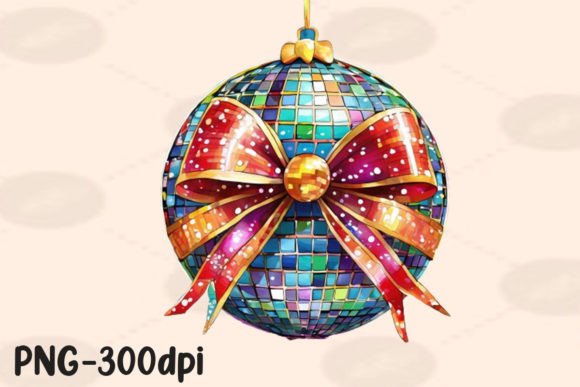
Sublimation is a chemical process wherein solid dye turns into gas under heat and pressure, bonding permanently with polyester polymers. A critical limitation for creators exploring Disco Ball Bow Coquette Sublimation is the absence of white ink in standard CMYK sublimation printers. This constraint fundamentally dictates how disco balls are rendered. Since the printer cannot lay down white or silver ink, the "shine" of a disco ball must be simulated through contrast and negative space.
Simulating Reflectivity Without Metallic Ink
To create a realistic disco ball effect on white substrates, designers must utilize the base material as the highlight source. Effective designs use varying shades of gray, cool blues, and purples to define the facets of the mirror tiles, leaving strategic white gaps to represent light reflection. On colored substrates, such as pink or black tumblers, the approach shifts entirely. Creators often employ a technique known as "bleach sublimation" or use specialized glitter sublimation paper to introduce actual sparkle. Alternatively, digital mockups should clearly indicate to customers that the disco ball will appear as a tonal representation rather than a literal mirror finish, managing expectations to prevent returns.
Color Management for Soft Aesthetics
The coquette palette relies heavily on blush pinks, creams, and muted lavenders. These pastel tones are notoriously sensitive to heat press variables. Over-pressing can cause yellowing or browning, ruining the delicate feminine vibe essential to this trend. Professionals should maintain rigorous color profiles and test press times specifically for lighter saturations. Furthermore, because bows involve fine lines and lace textures, ensuring high-resolution source files (minimum 300 DPI) is non-negotiable. Pixelation in a ribbon detail breaks the illusion of silk or satin, making the final product look amateurish rather than boutique-quality.
Strategic Product Selection and Substrate Compatibility
While the design draws attention, the canvas determines commercial viability. Not every product suits the Disco Ball Bow Coquette Sublimation aesthetic. Success lies in selecting items that naturally align with the target demographic's lifestyle and gifting habits.
- Tumblers and Drinkware: Skinny 20oz tumblers remain the dominant vessel for this trend. The cylindrical surface allows for wrapping patterns where bows appear to tie around the cup. Glass cans with bamboo lids also perform exceptionally well, as the transparency adds depth to the disco ball reflections.
- Apparel and Accessories: Polyester performance tees and sweatshirts serve as walking billboards. However, consider accessories like cosmetic bags, lanyards, and keychains. These lower-cost entry points allow consumers to participate in the trend without committing to a higher-priced garment.
- Stationery and Tech: Mousepads, notebook covers, and phone cases offer flat, consistent surfaces ideal for detailed bow illustrations. These items appeal strongly to students and office workers who want to personalize their daily environments.
- Home Décor: Garden flags and pillow covers extend the aesthetic beyond personal wearables. Outdoor garden flags, in particular, have seen a surge in coquette-themed designs, merging domestic pride with trendy visuals.
When sourcing blanks, prioritize poly-count and coating quality. A 50/50 cotton-poly blend shirt will yield a vintage, distressed look that some customers adore, while 100% polyester ensures vibrant, true-to-screen colors. Educating buyers on this distinction transforms a potential complaint about "faded" prints into a selling point for "retro-wash" styling.
Design Differentiation in a Saturated Marketplace
As with any viral trend, the market for disco ball and bow graphics faces rapid saturation. To maintain relevance and profitability, creators must move beyond generic clip art. Originality protects against copyright issues and builds brand loyalty.
Hybrid Media Approaches
Combining sublimation with other crafting techniques creates unique value propositions that pure sublimation cannot match. Adding physical rhinestones over the printed disco ball facets bridges the gap between digital print and tactile luxury. Similarly, layering heat transfer vinyl (HTV) for text or outlines atop a sublimated background adds dimension. This mixed-media approach justifies higher price points and distinguishes professional offerings from mass-produced imports.
Narrative and Personalization
The coquette aesthetic is deeply personal. Generic designs sell commodities; personalized designs sell experiences. Integrating customizable fields for names, dates, or specific color requests leverages the emotional connection inherent in this style. For example, a "Disco Ball Bow" design tailored for a bachelorette party or a sweet sixteen carries significantly more weight than a standalone graphic. Businesses should develop template systems that allow for efficient customization without redesigning from scratch for every order.
Commercial Viability and Audience Segmentation
Understanding who buys Disco Ball Bow Coquette Sublimation products informs marketing strategy. While Gen Z drives the trend on social media platforms like TikTok, the purchasing power often spans multiple demographics.
Educators and School Staff: Teachers frequently adopt trending aesthetics for classroom decor and personal accessories. Designs featuring disco balls and bows paired with educational motifs (books, pencils) tap into a dedicated seasonal spending cycle during back-to-school and teacher appreciation weeks.
Event Planners and Brides: The intersection of disco and coquette fits perfectly into modern bridal showers and bachelorette parties. Bulk orders for party favors represent high-volume opportunities. Marketing directly to event coordinators rather than individual consumers can stabilize revenue streams.
Retail Buyers and Boutique Owners: Wholesale relationships require consistency and reliability. Boutiques looking to stock this trend need assurance of color matching and durable washability. Providing care cards and wholesale line sheets demonstrates professionalism and eases the buyer’s decision-making process.
Navigating Intellectual Property and Ethical Creation
A significant risk in trend-based sublimation is intellectual property infringement. Many popular disco ball and bow designs circulating online are unauthorized derivatives of copyrighted characters or trademarked phrases. Professionals must conduct due diligence before listing products. Creating original artwork or licensing commercial-use assets from reputable designers safeguards businesses against platform bans and legal action.
Furthermore, ethical consideration extends to attribution. The coquette aesthetic has roots in balletcore and historical fashion, while disco culture emerged from Black, Latino, and LGBTQ+ communities. Acknowledging these origins respectfully in marketing copy and supporting diverse creators within the space adds authenticity to a brand. Consumers increasingly value cultural competence alongside aesthetic appeal.
Optimizing Workflow for Seasonal Demand
Trends operate on accelerated cycles. The window for peak profitability in Disco Ball Bow Coquette Sublimation may be shorter than traditional niches. Efficient workflow management is essential to capitalize on momentum without accumulating dead stock.
- Trend Monitoring: Utilize tools like Pinterest Predicts and TikTok Creative Center to identify emerging variations of the trend early. Is the bow getting bigger? Are colors shifting toward chrome? Adapt designs proactively.
- Inventory Agility: Maintain lean inventory levels for trendy items. Use print-on-demand models or keep blank stock versatile enough to pivot if the trend evolves. Avoid pre-printing large quantities of highly specific designs.
- Content Batching: Create photography and video content in themed batches. Shooting multiple disco ball bow products together reduces setup time and creates a cohesive feed aesthetic that reinforces brand identity.
- Customer Feedback Loops: Actively solicit feedback on design preferences. Polling audiences on social media regarding color choices or product types engages the community and validates production decisions before investment.
Long-Term Relevance Beyond the Hype Cycle
While specific motifs fade, the underlying desire for expressive, joyful merchandise persists. Professionals should view Disco Ball Bow Coquette Sublimation as a case study in adapting to micro-trends rather than a permanent business foundation. The skills developed in mastering pastel color correction, simulating textures, and targeting niche demographics transfer directly to future trends.
Building a brand around adaptability ensures longevity. Documenting processes, refining supplier lists, and cultivating a loyal customer base during peak trend periods creates infrastructure that supports whatever aesthetic emerges next. Ultimately, success in sublimation is less about chasing every viral wave and more about developing the operational excellence to ride them profitably when they arrive. By focusing on quality execution, ethical creation, and strategic application, creators can transform a fleeting internet aesthetic into a sustainable component of their broader product ecosystem.