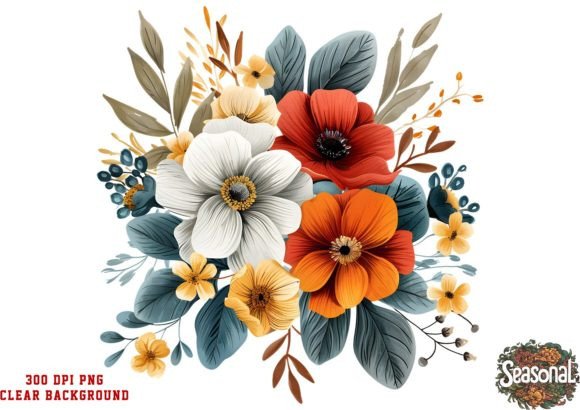
Mastering Watercolor Boho Flowers Sublimation for Creative Projects
The intersection of soft, artistic aesthetics and modern printing technology has created a massive demand for watercolor boho flowers sublimation designs. This specific niche combines the organic, fluid nature of traditional watercolor painting with the earthy, muted tones characteristic of bohemian style, all formatted for dye-sublimation transfer. For crafters, small business owners, and DIY enthusiasts, understanding how to effectively source, edit, and apply these designs is essential for creating products that resonate with current market trends while maintaining high production quality.
Defining the Aesthetic and Technical Requirements
Watercolor boho flowers sublimation refers to digital art files specifically optimized for heat transfer onto polyester substrates or polymer-coated hard surfaces. Unlike standard floral vectors, these designs mimic the bleeding edges, transparency, and texture of wet-on-wet painting techniques. The "boho" distinction is critical; it dictates a color palette rooted in terracotta, sage green, dusty rose, mustard yellow, and warm neutrals rather than saturated primaries.
From a technical standpoint, successful sublimation requires more than just a pretty image. High-quality watercolor boho flowers sublimation files must be high resolution (typically 300 DPI) to preserve the delicate grain of the paper texture and the subtle gradients of the paint. Because sublimation ink turns into gas and bonds with polymers at high temperatures, fine details in watercolor washes can sometimes blur if the source file is low quality or if the color profile is not managed correctly. Understanding this balance between artistic softness and technical sharpness is the first step toward professional results.
Common Challenges in Floral Sublimation
Even experienced creators face hurdles when working with this specific aesthetic. Identifying these pain points allows for better troubleshooting and resource selection.
- Color Shift on Transfer: Watercolors rely on subtlety. A common frustration is seeing vibrant screen colors turn muddy or overly dark after pressing. Sublimation inks are translucent, meaning the base color of your substrate affects the final outcome. A cream-colored tumbler will render boho florals differently than a stark white mug.
- Loss of Texture Detail: The charm of watercolor lies in its imperfections and paper grain. Poorly digitized files often smooth over these textures, resulting in flat, cartoon-like prints that lack the intended artistic depth.
- Seamless Pattern Alignment: Many users seek watercolor boho flowers sublimation for all-over print apparel or tumblers. Aligning hand-painted elements so they flow naturally across seams without obvious repetition or jarring cutoffs requires advanced editing skills and properly tiled source files.
- Licensing and Commercial Use: As the market saturates, distinguishing between personal-use-only assets and commercially licensed designs becomes difficult. Using restricted files for client work can lead to legal issues and platform bans.
Solving Design and Production Hurdles
Addressing these challenges requires a solution-oriented approach to both asset acquisition and production workflow. When selecting watercolor boho flowers sublimation designs, prioritize vendors who provide test prints or detailed color profiles. Look for files labeled as "high-resolution PNG" or "CMYK-ready," as RGB files often shift significantly during the conversion process inherent in sublimation printing.
To combat texture loss, avoid excessive sharpening in your RIP software or design program. Instead, use unsharp masking sparingly to enhance edge contrast without destroying the soft wash effect. If you are designing your own assets, scan original paintings at 600 DPI and downscale to 300 DPI for printing; this preserves more data than scanning natively at 300 DPI.
For seamless patterns, utilize design software that supports pattern preview modes. Before committing to a full print, create a digital mockup to visualize how the watercolor boho flowers sublimation design wraps around cylindrical objects like tumblers. This digital prototyping saves expensive materials and time by revealing alignment issues before heat is ever applied.
Practical Applications and Product Outcomes
The versatility of this aesthetic makes it suitable for a wide range of applications, each requiring slight adjustments in implementation.
Apparel and Textiles
On garments, watercolor boho flowers sublimation excels on light-colored polyester blends. The translucent nature of the ink allows the fabric weave to show through slightly, enhancing the organic feel of the watercolor. For darker garments, consider using white glitter HTV or white sublimation vinyl as a base layer, though this changes the hand-feel of the garment. A popular application is the "bleached tee" look, where the boho florals interact with the variegated background of a bleached shirt, creating a unique, vintage-inspired piece where no two shirts are identical.
Drinkware and Hard Goods
Tumblers, mugs, and coasters are staples for this niche. On tapered tumblers, straight rectangular designs will distort. Users must employ conical warp tools in their design software to curve the watercolor boho flowers sublimation image to match the vessel’s geometry. For ceramic mugs, the curved surface can stretch floral elements; positioning the focal point of the bouquet away from the extreme edges ensures the main subject remains proportionate when viewed head-on.
Paper Products and Stationery
While sublimation is primarily for poly-coated items, the aesthetic translates beautifully to sublimation-compatible notebooks, keychains, and ornaments. These smaller canvases require scaling down intricate designs. Simplifying the composition—using individual stems or posies rather than dense fields of flowers—often yields better readability on items under three inches in size.
Tailoring the Approach for Different Users
Not every creator approaches watercolor boho flowers sublimation with the same goals or skill levels. Recognizing your user type helps streamline your workflow.
The Small Business Owner: Your priority is consistency and scalability. Invest in premium, commercial-license bundles that offer cohesive collections. This ensures your shop has a unified brand identity rather than mismatched styles. Focus on batch processing: create templates for your best-selling blanks so you can swap out floral arrangements quickly without reformatting dimensions for every order.
The Hobbyist and DIYer: You likely value uniqueness over uniformity. Explore free or low-cost resources but verify quality before printing. Experiment with mixing digital watercolor boho flowers sublimation elements with physical media, such as adding hand-lettered names with markers after pressing. Your advantage is the freedom to create one-off pieces without worrying about exact replication.
The Digital Designer: If you create and sell these assets, your responsibility is technical accuracy. Provide comprehensive usage guides with your files. Include information on recommended press times, temperatures, and color correction tips specific to your artwork. Offering layered PSD files alongside flattened PNGs adds immense value, allowing buyers to adjust opacity or rearrange elements to fit non-standard blanks.
Best Practices for Long-Term Success
Achieving consistent, beautiful results with watercolor boho flowers sublimation extends beyond the initial press. Proper post-care education is vital, especially for apparel customers. Recommend washing inside-out in cold water to preserve the delicate pastel tones, as high heat and harsh detergents can accelerate fading in lighter watercolor shades.
Additionally, maintain an organized digital library. Tag files by color palette, flower type, and orientation. When a customer requests a "sage green peony design for a 20oz tumbler," efficient retrieval systems reduce turnaround time. Finally, stay attuned to seasonal shifts within the boho aesthetic; while the core style remains constant, accent colors evolve from spring pastels to autumn rusts, keeping your offerings relevant year-round.
By treating watercolor boho flowers sublimation as both an art form and a technical discipline, creators can produce goods that stand out in a crowded marketplace. Success lies in respecting the medium's nuances, solving production problems proactively, and adapting workflows to meet specific end-goals. Whether building a brand or crafting a personal gift, the thoughtful application of these principles transforms simple digital files into tangible, cherished creations.