Vintage Summer T-shirt Design: Practical Applications for Creators and Businesses
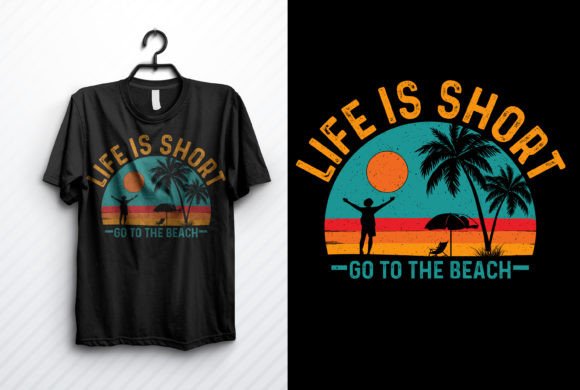
When we talk about vintage summer T-shirt design, we are rarely discussing actual garments from decades past. Instead, this aesthetic represents a specific visual language that evokes nostalgia, warmth, and leisure through modern mediums. It is characterized by sun-faded color palettes, distressed textures, retro typography, and imagery rooted in 1970s surf culture, 1980s tourism, or mid-century Americana. For creators, entrepreneurs, and marketers, understanding this style goes beyond appreciating the art; it requires knowing how to leverage these visual cues to solve communication problems, drive sales, or build community identity in contemporary settings.
Why the Retro Summer Aesthetic Resonates Now
The enduring popularity of vintage summer aesthetics stems from a psychological need for comfort and authenticity. In an era dominated by hyper-polished digital content and AI-generated perfection, a T-shirt design featuring cracked ink and muted oranges feels tangible and human. This is not merely a fashion trend but a communication tool. When a brand or individual chooses this style, they are signaling approachability and timelessness rather than urgency and novelty.
For small business owners and freelancers, this distinction matters. If you are selling handmade ceramics, organizing a local farmers market, or running a wellness coaching practice, a sleek, futuristic logo might create an unconscious barrier. A vintage-inspired graphic, however, suggests heritage and craftsmanship, even if your business launched last month. The design does the heavy lifting of establishing trust before a customer ever reads your copy.
Commercial Use Cases for Print-on-Demand and Retail
Entrepreneurs in the print-on-demand (POD) space often saturate markets with generic designs. Success in this arena now depends on niche specificity within the vintage summer genre. Rather than creating a generic "Summer Vibes" shirt, successful sellers focus on micro-nostalgia. This might involve designing apparel that mimics staff uniforms from fictional 1980s beach resorts, vintage national park merchandise, or retro bait shop advertisements.
Consider a POD seller targeting outdoor enthusiasts. Instead of using stock vector mountains, they might research specific typography used in 1970s camping gear catalogs. By replicating the imperfections of old screen printing—such as slight misregistration or halftone dots—the final product feels like a thrift store find rather than a mass-produced commodity. This attention to historical detail justifies higher price points and fosters brand loyalty among buyers who value authenticity over fast fashion.
Event Branding and Community Building
Event organizers and community managers frequently utilize vintage summer T-shirt designs to create instant memorabilia. Whether for a music festival, a corporate retreat, or a family reunion, the goal is to produce an item people actually want to wear years after the event ends. Modern event merch often fails because it prioritizes current logos over wearable aesthetics.
A practical solution involves treating the event shirt as a standalone piece of vintage art where the event name is secondary to the vibe. For example, a tech company hosting a summer hackathon could avoid standard corporate branding in favor of a design resembling a 1990s computer camp badge. This approach transforms a promotional expense into a genuine perk. Participants wear the shirt not because they are obligated to advertise the company, but because the design aligns with their personal aesthetic. This extends the lifespan of the marketing message organically.
Educational and Non-Profit Storytelling Through Design
Educators and non-profit leaders can use vintage summer visuals to make historical or environmental topics more engaging. Textbooks and brochures often struggle to connect emotionally with audiences. A well-crafted vintage design acts as a visual hook that bridges generational gaps.
Imagine a marine biology conservation group trying to raise awareness about coastal erosion. A sterile infographic might convey data, but a T-shirt designed to look like a 1960s lifeguard training manual creates an emotional connection to the coastline's history. It frames conservation not as a political issue, but as a stewardship of a beloved cultural legacy. Similarly, history teachers or museum gift shops can use this aesthetic to make archival photos and local folklore accessible to younger demographics who engage primarily through visual culture.
Digital Content Creation and Social Media
Bloggers, influencers, and digital marketers use vintage summer T-shirt designs as content assets, not just products. The aesthetic serves as a powerful backdrop for lifestyle photography and video content. Because the colors are naturally desaturated and warm, they perform exceptionally well on platforms like Instagram and Pinterest without requiring aggressive filtering.
Content creators often face burnout from constantly chasing new trends. Adopting a consistent vintage summer visual identity allows for evergreen content planning. A travel blogger, for instance, can wear different retro-style tees across various locations while maintaining a cohesive feed. The clothing becomes part of the personal brand signature. Furthermore, when promoting affiliate products or digital courses, wearing a vintage tee can soften the "salesy" nature of the post, making recommendations feel more like advice from a friend than a commercial pitch.
Critical Considerations Before Creating or Buying
While the aesthetic is versatile, executing it poorly leads to kitsch rather than charm. There are several practical factors to evaluate before investing time or money into vintage summer T-shirt design.
- Authenticity vs. Caricature: Study actual artifacts from the era you wish to emulate. Notice the font kerning, the limited color separations, and the specific slang used. Designs that rely on exaggerated stereotypes often fail to resonate with knowledgeable enthusiasts and can appear disrespectful.
- Fabric and Print Method: The design is only half the equation. A vintage graphic printed on a stiff, shiny polyester blend creates cognitive dissonance. To achieve the desired effect, pair the artwork with ring-spun cotton, tri-blends, or garment-dyed fabrics. Direct-to-garment (DTG) printing can sometimes look too crisp; consider discharge printing or water-based inks that soak into the fiber for a softer hand-feel.
- Licensing and Intellectual Property: Just because a design looks old does not mean it is in the public domain. Many vintage logos, character illustrations, and song lyrics remain under active copyright or trademark protection. Always conduct thorough clearance searches before selling or publishing derivative works. Creating original art inspired by the era is safer and more sustainable than risking infringement by tracing existing assets.
- Sustainability Implications: The vintage aesthetic celebrates longevity, which should align with production ethics. Consumers drawn to this style are often environmentally conscious. Using organic materials, ethical manufacturing partners, or upcycling blank garments reinforces the narrative of the design. Greenwashing—claiming a vintage vibe while using exploitative fast-fashion supply chains—can severely damage credibility.
Navigating Market Saturation
Because vintage summer design is popular, differentiation is key. Avoid overused tropes like generic palm trees or sunset gradients unless you can add a unique twist. Look for inspiration in overlooked areas of summer history: vintage science camps, obsolete transportation methods, regional agricultural fairs, or retro athletic wear. Specificity creates value. A shirt referencing a specific type of 1970s sailboat rigging will attract dedicated sailing enthusiasts far more effectively than a generic nautical anchor.
Ultimately, vintage summer T-shirt design is a tool for connection. It works best when applied with intention, respecting both the history it references and the audience it serves. Whether you are building a merchandise line, enhancing an event experience, or crafting a personal brand, the success lies in the details. Focus on quality, context, and genuine appreciation for the era, and the design will transcend mere decoration to become a meaningful part of your project’s story.