Mushroom Cliparts: Whimsical Design Assets for Creatives
There is a distinct visual language associated with mycology in design that transcends simple botanical illustration. When we talk about Mushroom Cliparts as a curated collection of design assets, we are referring to more than just pictures of fungi; we are discussing a specific aesthetic toolkit that bridges the gap between vintage naturalism and modern whimsy. For designers, publishers, and small business owners, these graphical elements serve as an immediate shorthand for organic growth, cottagecore aesthetics, and earthy authenticity. Unlike a standard premium font or a generic stock photo, high-quality mushroom illustrations carry a personality that can define an entire brand identity before a single word of copy is read.
The appeal lies in the versatility of the subject matter. A detailed, scientific engraving of a chanterelle communicates heritage and expertise, suitable for apothecary branding or editorial layouts. Conversely, a simplified, colorful vector toadstool suggests playfulness and approachability, perfect for children’s publishing or artisanal food packaging. Understanding this spectrum is crucial for creative professionals. You aren't just selecting an image; you are choosing a tone of voice. The best collections offer this variety within a cohesive style system, ensuring that whether you need a border element for a wedding invitation or a hero graphic for a wellness blog, the visual narrative remains consistent.
Defining the Visual Personality and Style
Mushroom clipart typically falls into three distinct stylistic categories, each serving different segments of the creative market. Recognizing which category your project requires prevents the common mistake of mismatched aesthetics. The first is the botanical realism style. These assets often mimic 19th-century lithographs or field guide engravings. They feature intricate line work, stippling, and accurate morphological details. This style pairs exceptionally well with traditional serif fonts and textured paper backgrounds, making it ideal for winery labels, herbal tea packaging, and academic publishing.
The second category is stylized retro. Drawing inspiration from 1970s psychedelic art and mid-century folk patterns, these illustrations use bold shapes, warm color palettes, and slightly abstracted forms. This is where the clipart intersects with modern typography trends. Designers often pair these assets with chunky display fonts or bubbly handwritten fonts to create social media graphics and merchandise that feel nostalgic yet fresh. The third category is minimalist vector. Clean lines, flat colors, and scalable geometry make these assets workhorses for web design, app icons, and corporate sustainability reports where clarity and professionalism must balance with organic warmth.
Strategic Applications Across Media
For entrepreneurs and marketers, the value of these assets extends far beyond decoration. In packaging design, mushroom clipart acts as a visual anchor. On a crowded shelf, a well-placed fungal illustration can signal "natural," "foraged," or "handmade" faster than text processing allows. Consider a skincare brand launching a new line; using delicate, watercolor-style mushroom assets on the box creates an immediate association with forest-derived ingredients and gentle efficacy. This is visual communication at its most efficient.
In the digital realm, particularly for bloggers and content creators, these assets solve the perpetual problem of breaking up text-heavy layouts without resorting to sterile stock photography. Using mushroom dividers, headers, or background textures adds depth to web design while maintaining fast load times, especially when utilizing optimized SVG formats. For print projects like zines, posters, or event stationery, these illustrations provide a ready-made thematic framework. A music festival poster featuring layered, psychedelic mushroom art instantly communicates the vibe of the event, reducing the cognitive load on the audience. The key is integration; the clipart should feel like it grew out of the layout, not pasted onto it.
Elevating Brand Perception Through Organic Imagery
Consistency is the bedrock of professional design, and this applies strictly to illustrative elements. A common pitfall for non-designers and junior creatives is mixing disparate illustration styles—combining a pixel-art mushroom with a realistic oil painting texture in the same brochure. This creates visual dissonance that undermines trust. When selecting Mushroom Cliparts for brand identity work, treat the illustration style with the same rigor as your typeface selection. If your brand uses a clean, geometric sans serif font, opt for vector-based, stylized mushrooms. If your brand relies on a romantic script font, look for soft, painterly illustrations.
This attention to detail influences how audiences perceive quality. High-resolution, thoughtfully composed clipart suggests that the business cares about craftsmanship. Low-quality, jagged-edged raster images suggest the opposite. Furthermore, the emotional resonance of fungi connects to current cultural movements around sustainability, slow living, and mental health. Brands that leverage this imagery authentically tap into a collective desire for grounding and connection to nature. However, authenticity requires restraint. Overusing these assets can make a design look cluttered or costumey. Use them as accents to support the message, not as a crutch to hide weak layout structures.
Practical Guidance on Selection and Licensing
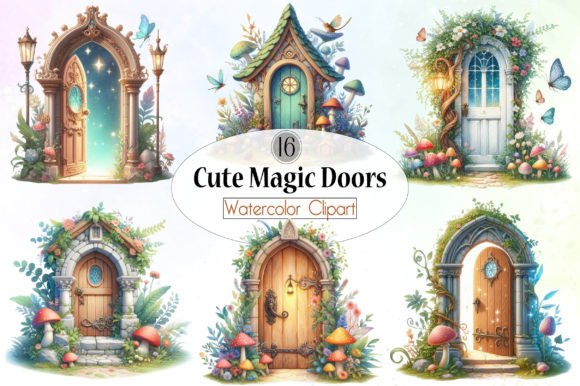
Evaluating a clipart pack requires looking beyond the thumbnail preview. Professional designers always check the technical specifications first. Are the files available in vector format (AI, EPS, SVG)? Vector assets are essential for logo design and large-format printing because they scale infinitely without losing quality. Raster files (PNG, JPG) are acceptable for web and social media but limit future adaptability. Next, assess the composition. Do the illustrations have transparent backgrounds? Are the edges clean? Can individual elements be isolated and rearranged? A premium asset pack allows for modular usage, enabling you to build custom scenes rather than being locked into static pre-arranged compositions.
- Licensing Clarity: Always verify if the license covers commercial use, especially for products intended for resale. Some licenses restrict usage to personal projects or require attribution.
- Style Cohesion: Test the clipart alongside your existing font pairing choices. Print a sample or mockup a digital post to ensure the weight of the illustration matches the weight of the typography.
- Color Customization: Prioritize assets that allow easy recoloring. Your brand palette shouldn't bend to fit the clipart; the clipart should adapt to your brand.
- Negative Space: Look for illustrations that incorporate breathing room. Dense, edge-to-edge artwork is difficult to integrate into layouts with text overlays.
Finally, consider the longevity of the trend. While cottagecore and goblincore have seen massive surges in popularity, mushroom imagery has been a staple of decorative arts for centuries. To ensure your work doesn't date itself too quickly, focus on timeless execution over meme-driven novelty. Pairing classic mushroom motifs with contemporary editorial design principles creates work that feels current today but will remain elegant tomorrow. Whether you are designing a label for small-batch hot sauce, illustrating a children's book about forest ecology, or building a website for a mycology research lab, the right clipart serves as a foundational element of visual storytelling. It grounds the design in the tangible world, offering viewers a moment of organic respite in an increasingly digital landscape. By approaching these assets with strategic intent and technical precision, you transform simple decorations into powerful communicators of value, mood, and identity.