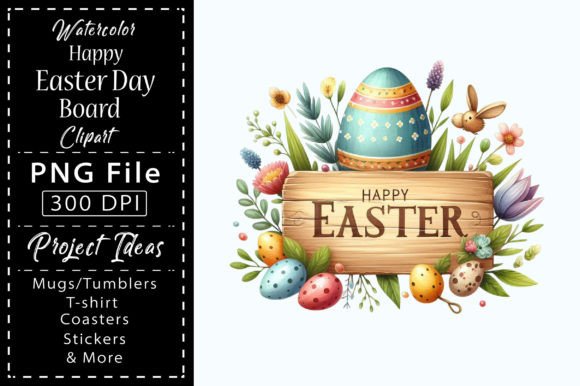
Happy Easter Day Board Sublimation: A Practical Guide to Avoiding Common Pitfalls
Creating a vibrant, lasting display for the spring season often leads crafters and small business owners toward Happy Easter Day board sublimation. This process involves transferring specialized dye onto a coated substrate using heat and pressure, resulting in a permanent, high-resolution image that becomes part of the material itself. Unlike vinyl decals or screen printing, sublimation offers a professional finish that withstands handling, cleaning, and seasonal storage without peeling or fading. Whether you are designing a welcome sign for a porch, a menu board for a brunch, or personalized gifts for an Easter egg hunt, understanding the nuances of this medium is essential for achieving gallery-worthy results.
However, the gap between a digital mockup and the final physical product is where many enthusiasts encounter frustration. The appeal of Happy Easter Day board sublimation lies in its versatility, but that same versatility requires precise technical execution. Beginners often assume that any light-colored surface will work or that standard printer settings suffice, leading to wasted materials and dull outcomes. By addressing specific misconceptions early, you can save money, reduce waste, and produce items that truly celebrate the holiday with professional quality.
The Critical Distinction Between Coated and Uncoated Surfaces
The most frequent and costly mistake in Easter signage projects is attempting to sublimate onto raw wood or uncoated hardboard. Sublimation ink does not bond to natural cellulose fibers; it requires a polymer coating to accept the gas transfer. If you purchase a beautiful wooden plaque from a craft store without verifying it has a specific sublimation coating, the ink will simply sit on the surface and wipe away or fade immediately after pressing.
To avoid this, always verify the product description explicitly states "sublimation blank" or "poly-coated." For those wishing to use natural wood for a rustic Easter aesthetic, you must first apply a sublimation spray or polyacrylic coating and allow it to cure completely before pressing. Alternatively, consider using MDF boards with a white gloss or matte sublimation finish. These provide a consistent base that ensures your pastel Easter colors pop exactly as they appear on screen. Remember that the coating quality varies by manufacturer; a cheaply coated board may result in uneven color saturation or brown spots where the polymer layer is too thin.
Color Management and Pastel Accuracy
Easter designs rely heavily on soft pastels, mint greens, pale yellows, and blush pinks. These colors are notoriously difficult to reproduce accurately because sublimation ink appears dull and brownish on paper before heating. Many creators panic when their printed transfer looks muddy, assuming their printer is broken or the ink is bad. This is a misunderstanding of the chemistry involved. The true color only activates and reveals itself under high heat.
Rather than guessing, create a color test strip specifically for your Easter palette. Print small swatches of your intended colors and press them onto scrap pieces of your chosen board material at your standard time and temperature. This physical reference guide is invaluable. It accounts for the specific interaction between your ink brand, paper type, and board coating. Furthermore, ensure you are using ICC profiles designed for your specific printer and ink combination. Generic settings often oversaturate reds and undersaturate cyans, turning a delicate lavender into a harsh purple. Taking ten minutes to calibrate your workflow prevents ruining expensive finished boards during peak production times.
Heat Press Variables That Ruin Finished Boards
Even with perfect artwork and premium blanks, improper heat application can destroy a Happy Easter Day board sublimation project. Wood-based substrates contain moisture, and excessive heat or uneven pressure can cause warping, scorching, or ghosting. A common error is using the same settings for a thick wooden board as one would for a polyester shirt. Boards generally require lower temperatures (typically 360°F–380°F) and longer dwell times compared to fabrics.
Pressure distribution is equally critical. If your heat press platen does not make uniform contact across the entire board surface, you will see faded edges or blurry centers. Always use a Teflon sheet or parchment paper between the board and the heat platen to prevent scorching the coating. For thicker boards, consider using a silicone pad underneath to help distribute pressure evenly. Additionally, remove the transfer paper immediately after pressing while the board is still hot. Allowing it to cool with the paper attached can sometimes cause secondary sublimation or sticking, which ruins the crispness of text and fine line art common in Easter typography.
- Moisture Control: Pre-press boards for 5-10 seconds to release trapped moisture before applying the transfer. Steam escaping during the main press causes blurring.
- Tape Selection: Use high-heat thermal tape rather than standard masking tape. Adhesive residue from low-quality tape can melt into the coating and leave permanent marks on light Easter backgrounds.
- Cooling Method: Allow boards to air cool flat. Stacking warm boards or placing them on cold surfaces immediately can induce bowing or cracking.
Design Considerations for Physical Media
Digital designers often overlook how physical limitations affect readability and aesthetics on sublimated boards. Intricate details that look stunning on a monitor may bleed together when transferred to a textured or glossy surface. When designing for Happy Easter Day board sublimation, prioritize contrast and legibility. White text on a very light pastel background may disappear once the gloss coating reflects ambient light. Adding a subtle drop shadow or darkening the background gradient slightly can maintain the airy Easter feel while ensuring the message remains readable from a distance.
Also, account for safe zones. Heat presses can have slight temperature variances at the extreme edges of the platen. Keep critical text and focal elements at least 0.5 inches away from the board’s perimeter. This buffer zone protects your design from potential edge fade and allows for minor alignment shifts during the taping process. If you are offering custom name personalization for Easter baskets or place settings, build templates with adjustable text boxes so you never have to guess margins during a rush order.
Evaluating Suppliers and Material Longevity
Not all sublimation boards are created equal, and sourcing decisions impact both immediate results and long-term satisfaction. When evaluating suppliers for Happy Easter Day board sublimation blanks, look beyond price per unit. Check reviews specifically mentioning coating consistency and packaging. A board that arrives scratched or warped due to poor shipping protection is effectively useless, regardless of its low cost. Reputable suppliers often provide recommended time, temperature, and pressure settings specific to their products. Treat these as starting points for your testing, not absolute laws, but their presence indicates a supplier who understands their inventory.
Consider the end-use environment when selecting finishes. Glossy boards offer the most vibrant color reproduction, making them ideal for indoor decor or gift items. However, for outdoor porch signs or garden markers exposed to direct sunlight, UV-resistant matte coatings are superior. Standard sublimation ink is not inherently UV-stable, and glossy surfaces tend to show sun damage faster. If creating items intended for outdoor Easter displays, manage customer expectations regarding longevity or apply a clear UV-protective spray sealant after sublimation to extend the life of the piece.
Ultimately, successful Happy Easter Day board sublimation combines artistic vision with technical discipline. By respecting the material science behind the process, validating your color workflows, and adjusting your technique for rigid substrates, you transform potential failures into reliable, profitable creations. The learning curve is manageable when approached methodically, allowing you to focus on the joy of creating meaningful seasonal decor rather than troubleshooting preventable errors.