Evaluating Spring Tulip Sublimation for Seasonal Projects
Spring tulip sublimation refers to the process of transferring high-resolution floral designs onto polymer-coated substrates or polyester textiles using heat and pressure. Unlike traditional screen printing or vinyl application, this method dyes the material itself, resulting in vibrant, durable imagery that captures the intricate details of botanical illustrations. For creators, small business owners, and hobbyists evaluating seasonal product lines, understanding the technical and practical implications of this specific niche is essential before investing time and resources.
Understanding the Appeal of Botanical Sublimation
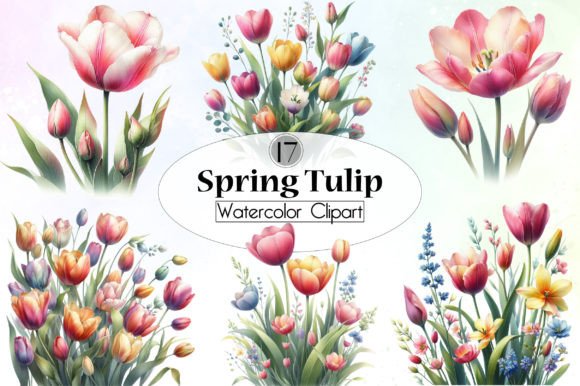
The primary driver for selecting spring tulip sublimation over other decorative methods is aesthetic fidelity. Tulips possess complex color gradients, delicate petal textures, and organic curves that are difficult to replicate with cut vinyl or direct-to-garment (DTG) printing on dark fabrics. Sublimation excels in this area because the ink transitions from solid to gas, bonding at a molecular level with the substrate. This allows for photographic-quality reproduction where the design feels like part of the material rather than a layer sitting on top.
Market timing also influences interest in this medium. Spring is a peak season for personalized gifts, home decor refreshes, and event merchandise. Creators often evaluate spring tulip sublimation as a strategic entry point to capture seasonal demand. The versatility of the medium allows for a cohesive collection across disparate items, such as matching tumblers, garden flags, tote bags, and apparel, all featuring the same high-fidelity floral artwork.
Benefits and Technical Advantages
When comparing production methods, several distinct advantages make sublimation a strong candidate for spring-themed inventory:
- Durability and Washability: Because the ink becomes part of the fiber or coating, spring tulip sublimation designs do not crack, peel, or fade significantly after washing. This is critical for functional items like reusable water bottles or washable table linens intended for outdoor spring dining.
- Texture Retention: On textiles, the fabric retains its original hand-feel. There is no heavy plastic residue associated with heat transfer vinyl (HTV), making it preferable for lightweight spring apparel where breathability and comfort are priorities.
- Color Vibrancy: Floral designs rely heavily on accurate color representation. Sublimation inks offer a wide gamut that accurately reproduces the bright yellows, deep purples, and soft pinks characteristic of tulip varieties without the banding often seen in lower-quality print methods.
- Production Efficiency: Once a design file is optimized, printing and pressing times are relatively consistent. This scalability supports batch production for markets or Etsy shops without the setup costs associated with screen printing.
Tradeoffs and Material Limitations
Despite its strengths, spring tulip sublimation presents specific constraints that must be weighed during the evaluation phase. Recognizing these limitations early prevents wasted materials and unmet expectations.
Substrate Restrictions
The most significant tradeoff is material compatibility. True sublimation requires either 100% polyester fabrics or hard surfaces with a specialized poly-coating. Natural fibers like cotton, linen, or silk cannot be sublimated directly. While hybrid sprays and sublimation HTV exist, they alter the finish and durability, often negating the primary benefits of the process. If your brand identity relies on natural, eco-friendly fibers, standard spring tulip sublimation may not align with your product goals.
Background Color Constraints
Sublimation ink is translucent; it does not print white. Therefore, designs can only appear on white or very light-colored backgrounds. A vibrant tulip design will look muted or invisible on navy or black substrates. This limits the color palette available for spring collections unless you utilize bleaching techniques on dark polyester, which introduces additional variables and potential inconsistency in the final product.
Equipment and Learning Curve
Achieving professional results requires precise temperature, time, and pressure control. Floral designs with fine lines are particularly unforgiving; ghosting or blurring can ruin the delicate appearance of tulip petals. Evaluators must consider whether their current heat press equipment provides even pressure across the entire platen, as uneven heating leads to patchy color saturation in detailed botanical work.
Situational Fit: When to Choose Sublimation
Spring tulip sublimation is an optimal choice under specific conditions. It is highly recommended when the end-use involves frequent handling, washing, or outdoor exposure. Garden flags, for example, benefit immensely from sublimation’s UV resistance and weather durability compared to adhesive vinyl alternatives. Similarly, performance wear for spring sports or outdoor activities leverages the moisture-wicking properties of polyester combined with the non-obstructive nature of sublimated ink.
It is also a strong fit for businesses focusing on personalization. Because there are no screens or plates to create, changing a name or date on a tulip mug template takes seconds digitally. This makes it ideal for made-to-order models where inventory risk needs to be minimized.
When to Consider Alternatives
Evaluators should pivot to alternative decoration methods if their project parameters fall outside sublimation’s sweet spot:
- Cotton-Heavy Apparel: If your audience demands 100% cotton t-shirts for spring events, Direct-to-Film (DTF) or DTG printing offers better compatibility while maintaining full-color detail.
- Dark Backgrounds: For designs requiring white ink or placement on dark garments, DTF or screen printing remains superior. Attempting to force sublimation onto dark backgrounds via workaround methods often results in a product that feels inferior to both pure sublimation and proper DTF.
- Low-Temperature Substrates: Some vintage-style or mixed-media spring crafts involve materials that cannot withstand the 380°F–400°F required for sublimation. In these cases, UV printing or high-quality adhesive vinyl are safer options.
- Natural Fiber Home Decor: For linen napkins or cotton canvas totes, embroidery or block printing may better match the tactile expectations of customers seeking organic spring aesthetics.
Practical Decision-Making Insights
Making a final determination regarding spring tulip sublimation requires testing against real-world metrics rather than theoretical specs. Before committing to a large production run, conduct a wash test on your chosen textile. Launder the item five times to check for color fastness and edge sharpness. Botanical designs show degradation faster than bold graphics, so this step is non-negotiable.
Additionally, evaluate your design source files. Vector art or high-DPI raster images (300+) are mandatory. Upscaling low-resolution internet images for sublimation typically yields poor results, especially with the fine stamens and petal edges found in tulip photography. Budget time for color profiling as well; monitor colors rarely match sublimation output perfectly. Investing in ICC profiles specific to your ink and paper combination ensures the pinks and greens of your spring tulips remain true to life.
Finally, assess the total cost per unit including blanks, ink, paper, and labor. While sublimation has low setup costs, the per-unit cost of coated blanks can be higher than generic cotton goods. Ensure your pricing model accounts for this premium. If the market price for spring floral decor in your niche cannot support the cost of quality sublimation blanks, the business case may be weak regardless of the technical suitability.
Ultimately, spring tulip sublimation serves as a powerful tool for creating durable, vibrant seasonal products, provided the material constraints align with your objectives. By objectively weighing the need for longevity and detail against the limitations of polyester and light backgrounds, creators can determine if this technology is the right foundation for their spring collection or if an alternative method better serves their specific audience and product goals.