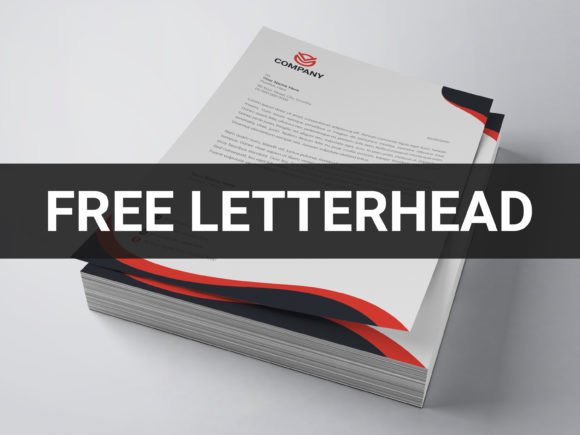
Corporate Letterhead Templates: Building Professional Identity in Every Communication
In the fast-paced world of modern business, communication is more than just an exchange of information; it is a continuous exercise in brand building. While digital channels like email and instant messaging dominate daily interactions, formal documentation remains the bedrock of professional credibility. At the heart of this formal communication lies the corporate letterhead template. Far from being a mere decorative border or a relic of the paper era, a well-designed letterhead serves as a strategic tool that reinforces identity, ensures consistency, and conveys professionalism before a single word is read.
For general readers, entrepreneurs, and administrative professionals alike, understanding the nuance of corporate letterhead templates is essential. It bridges the gap between creative branding and functional administration, ensuring that every invoice, proposal, and official notice aligns with the organization’s broader visual language.
Defining the Corporate Letterhead Template
To understand the significance of a letterhead template, we must first distinguish it from a simple logo placement. A corporate letterhead template is a pre-formatted digital or physical document structure that integrates specific brand elements into a functional layout. It is not just about aesthetics; it is about creating a standardized framework for business correspondence.
A comprehensive template typically includes several key components:
- Brand Identifiers: The company logo, tagline, and specific color palette.
- Contact Information: Physical address, phone number, email, website URL, and social media handles.
- Legal Disclaimers: Registration numbers, tax IDs, confidentiality notices, or industry-specific compliance statements.
- Typography Standards: Pre-set font families, sizes, and line spacing that match the brand guidelines.
- Layout Grid: Defined margins and safe zones to ensure content does not clash with design elements during printing or PDF conversion.
When these elements are combined into a reusable file (such as a .docx, .indd, or Canva template), they create a system that allows any employee to generate on-brand documents instantly, eliminating the risk of inconsistent formatting or outdated contact details.
The Strategic Purpose Behind the Design
Why invest time and resources into a template when plain text exists? The answer lies in perception and efficiency. In business psychology, the visual presentation of a document acts as a heuristic for the recipient. A polished letterhead signals stability, attention to detail, and legitimacy. Conversely, a document with misaligned logos, pixelated graphics, or conflicting fonts can subconsciously suggest disorganization or unprofessionalism.
Brand Consistency Across Touchpoints
Consistency is the currency of trust. When a client receives a contract that visually matches the company’s website, business cards, and marketing brochures, it reinforces a cohesive brand narrative. A corporate letterhead template acts as a guardrail, preventing individual employees from deviating from established brand standards. This uniformity is particularly crucial for large organizations where hundreds of staff members may be generating external communications daily.
Operational Efficiency and Accuracy
Beyond branding, templates serve a vital operational function. They reduce the cognitive load on staff by removing the need to format documents from scratch. More importantly, they mitigate risk. By locking critical information—such as legal disclaimers or updated banking details—into the template master file, organizations prevent costly errors caused by copy-pasting outdated information from previous documents.
Letterheads in the Digital Age: Evolution and Relevance
A common misunderstanding is that letterheads are only relevant for printed mail. In reality, the corporate letterhead template has evolved significantly to accommodate digital-first workflows. Today, the primary output of a letterhead template is often a PDF attachment or a digitally signed document rather than physical paper.
This shift has introduced new considerations for template design:
- Screen Readability: Traditional letterheads often featured heavy graphical headers and footers. Modern digital-first templates prioritize whitespace and screen-friendly typography to ensure documents are legible on tablets and smartphones.
- File Size Optimization: High-resolution print graphics can result in massive file sizes. Digital templates utilize optimized vector graphics and compressed images to ensure attachments remain lightweight and email-friendly.
- Accessibility Compliance: Modern templates must be designed with accessibility in mind. This includes using proper heading structures, alt text for logos, and sufficient color contrast to ensure documents are readable by screen readers and compliant with standards like WCAG.
- Interactive Elements: Unlike static paper, digital letterhead templates can include hyperlinks to the company website, scheduling tools, or verification portals, turning a passive document into an active engagement point.
Common Misconceptions and Pitfalls
Despite their utility, corporate letterhead templates are often misused or misunderstood. Clarifying these assumptions helps users leverage them more effectively.
Misconception 1: "More is Better"
Many beginners assume that a professional letterhead requires complex graphics, watermarks, and extensive color usage. In practice, restraint is key. Overly busy designs distract from the message and can cause printing issues. The most effective templates provide a subtle frame for the content, allowing the text to take center stage.
Misconception 2: "One Template Fits All"
While consistency is important, rigidity can be problematic. Organizations often need variations of their letterhead template. For example, a sales proposal might benefit from a more vibrant design, while a legal notice requires a stark, minimalist layout. Creating a suite of related templates allows for contextual appropriateness without sacrificing brand identity.
Misconception 3: "Templates Are Set and Forget"
Business information changes. Addresses move, phone numbers update, and leadership transitions occur. A neglected template becomes a liability. Best practice dictates a quarterly audit of all master templates to ensure accuracy and alignment with current brand guidelines.
Practical Applications Across Sectors
The utility of corporate letterhead templates extends far beyond traditional corporate offices. Understanding how different sectors utilize these tools highlights their versatility.
Small Business and Freelancers
For solopreneurs and small businesses, a professional letterhead template is a great equalizer. It allows a one-person operation to present the same level of polish as a multinational corporation. Using accessible design platforms, freelancers can create templates that elevate invoices and proposals, directly influencing perceived value and pricing power.
Education and Non-Profits
Educational institutions and non-profits rely heavily on formal communication for grants, accreditation, and donor relations. In these contexts, the letterhead template serves as a mark of institutional authority. It validates the authenticity of transcripts, certificates, and fundraising appeals, fostering trust among stakeholders who require assurance of legitimacy.
Legal and Financial Services
In regulated industries, the letterhead is often a compliance requirement. Templates in these sectors are engineered to include mandatory disclosures and regulatory identifiers in precise locations. Here, the template is less about marketing and more about risk management and adherence to statutory standards.
Building a Broader Understanding of Document Design
Ultimately, engaging with corporate letterhead templates offers a gateway to broader concepts in information design and business communication. It teaches the importance of visual hierarchy, showing how layout guides the reader’s eye to the most critical information. It reinforces the concept of systematic thinking, demonstrating how scalable solutions save time and reduce error.
Moreover, it highlights the intersection of creativity and constraint. A successful letterhead template must be beautiful enough to impress but functional enough to endure daily use. It must accommodate varying lengths of content, different languages, and multiple output formats. Navigating these challenges builds a sophisticated appreciation for the invisible infrastructure that supports professional life.
Whether you are designing your first freelance invoice or managing a global rebranding initiative, the corporate letterhead template remains a fundamental artifact of business. By approaching it with intentionality and understanding its dual role as both a brand ambassador and an operational tool, you transform a simple document into a powerful asset for professional success. In an era where digital noise is constant, the clarity and consistency provided by a thoughtful letterhead template offer a rare and valuable signal of professionalism.